
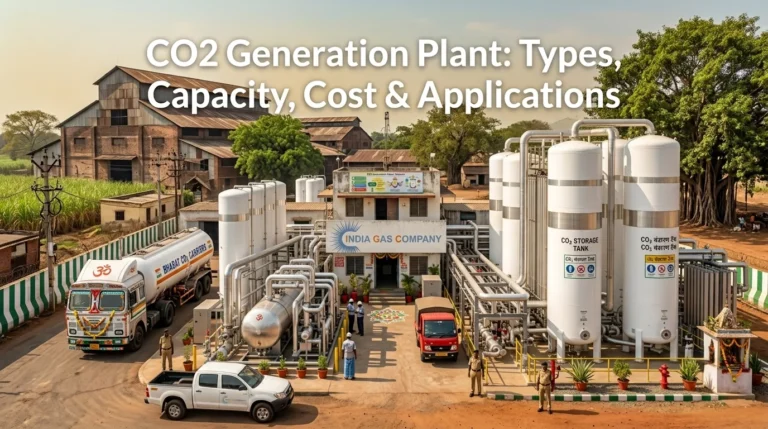

Carbon dioxide (CO₂) is one of the most widely used industrial gases in the world today, powering everything from carbonated beverages to welding operations, fire suppression systems, dry ice manufacturing, and food preservation. Behind every reliable supply of high-purity CO₂ is a well-designed CO2 generation plant that captures, purifies, and stores this essential gas for commercial and industrial use.
Whether you are a beverage manufacturer looking to reduce dependency on third-party gas suppliers, a distillery wanting to monetize fermentation by-products, or an industrial gas trader planning to enter the CO₂ business, understanding how a CO2 gas generation plant works and what it takes to set one up is the first step toward making a sound investment.
In this comprehensive guide, we will walk you through everything you need to know about a CO2 generation plant: its types, working principle, capacity options, cost factors, applications, and how to choose the right manufacturer for your project.
What is a CO2 Generation Plant?
A CO2 generation plant is an industrial setup designed to produce, recover, purify, and liquefy carbon dioxide gas so it can be stored and used across various industries. Depending on the source of CO₂, these plants are broadly classified into two categories CO2 production plants (which generate CO₂ through combustion or chemical reaction) and CO2 recovery plants (which capture CO₂ that is already being released as a by-product of another industrial process, such as fermentation).
The core objective of any CO2 gas generation plant remains the same: to deliver food-grade or industrial-grade liquid CO₂ that meets purity standards required by end users. This involves several stages gas collection, compression, purification, drying, liquefaction, and storage each of which plays a critical role in ensuring the final product is safe, pure, and ready for commercial use.
As demand for CO₂ continues to rise across the beverage, pharmaceutical, food processing, and manufacturing sectors, more businesses are exploring the setup of their own CO2 generation plant rather than relying solely on third-party suppliers. This shift is driven by cost savings, supply chain reliability, and, in many cases, the opportunity to convert waste CO₂ emissions into a revenue-generating product.
How Does a CO2 Gas Generation Plant Work?
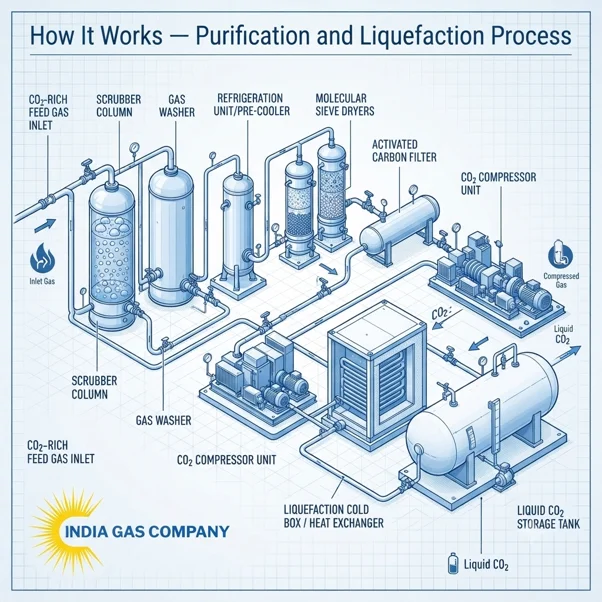
Regardless of the raw material source, most CO2 gas generation plants follow a similar sequence of operations:
- Gas Collection: Raw CO₂ gas is collected from the source, whether it’s flue gas from combustion, fermentation off-gas from a brewery or distillery, or a chemical process like ammonia or ethylene oxide production.
- Compression: The collected gas is compressed to increase its pressure, preparing it for the purification stages ahead.
- Purification (Scrubbing): The compressed gas passes through a series of scrubbers that remove impurities such as hydrogen sulfide, sulfur dioxide, and other trace contaminants.
- Drying: Moisture is removed from the gas using drying towers filled with desiccants, since residual water can cause equipment corrosion and affect product quality.
- Activated Carbon Filtration: This step removes odor-causing compounds and further refines the gas, which is especially important when the CO₂ is intended for food or beverage-grade applications.
- Liquefaction: The purified, dried gas is cooled and condensed into liquid CO₂ under controlled pressure and temperature conditions.
- Storage: The liquid CO₂ is stored in insulated, pressurized storage tanks, ready for distribution via tankers, cylinders, or pipelines.
A well-engineered CO2 generation plant automates most of these stages using PLC-based control systems, ensuring consistent purity levels (often 99.9% or higher) with minimal manual intervention.
Types of CO2 Generation Plants
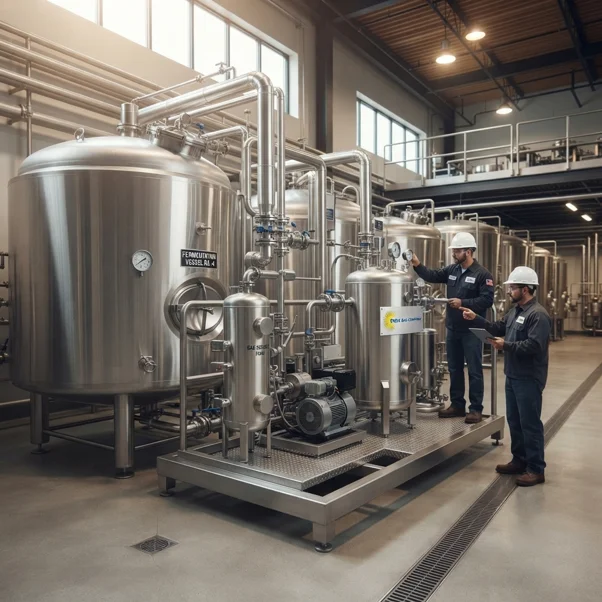
Choosing the right type of CO2 generation plant depends largely on the raw material source available to you and your production goals. Here are the most common types found in the industry:
1. CO2 Recovery Plant
A CO2 recovery plant captures carbon dioxide that is naturally released as a by-product of fermentation processes in breweries, distilleries, and ethanol production units. Instead of letting this CO₂ escape into the atmosphere, a recovery plant collects, purifies, and liquefies it for commercial sale.
This type of CO2 gas generation plant is particularly attractive to breweries and distilleries because it turns an existing waste stream into a new revenue source while also supporting environmental sustainability goals by reducing greenhouse gas emissions.
2. CO2 Production Plant (Combustion-Based)
A CO2 production plant generates carbon dioxide by burning fuels such as natural gas, LPG, or diesel in a controlled combustion chamber. The resulting flue gas, rich in CO₂, is then processed through purification and liquefaction stages. This type of CO2 generation plant is commonly used in regions where fermentation-based sources are unavailable, or where a dedicated, standalone CO₂ production facility is required.
3. Chemical By-Product Recovery Plant
Certain chemical manufacturing processes, such as ammonia production, hydrogen production, or ethylene oxide manufacturing, release significant volumes of CO₂ as a by-product. A CO2 generation plant designed for this purpose captures gas directly from these process streams, making it a cost-effective option for large chemical and fertilizer plants.
4. Cryogenic CO2 Recovery Plant
Cryogenic recovery systems use extremely low temperatures to separate and purify CO₂ from mixed gas streams. This method is highly efficient and produces exceptionally high-purity CO₂, making it suitable for pharmaceutical, medical, and specialty food-grade applications.
5. Membrane and PSA-Based CO2 Recovery Systems
For smaller-scale operations or where flue gas concentrations vary, membrane separation and Pressure Swing Adsorption (PSA) technologies offer flexible, energy-efficient alternatives for CO₂ capture. These systems are increasingly being integrated into modern CO2 gas generation plant designs due to their lower operating costs and smaller footprint.
CO2 Generation Plant Capacity Options
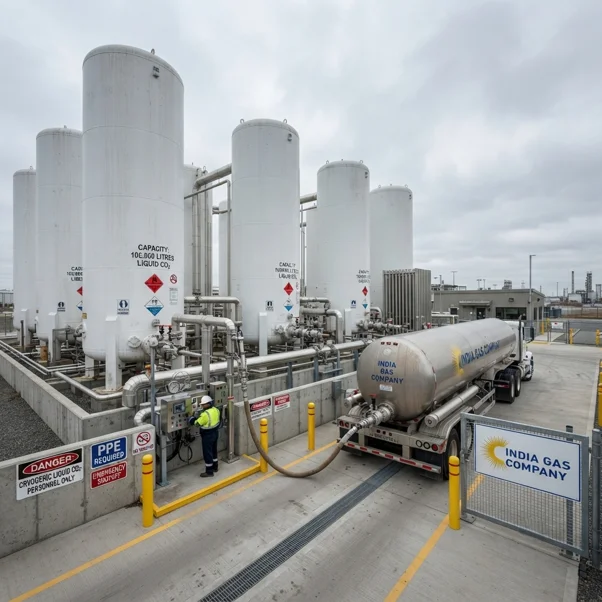
One of the most important decisions when setting up a CO2 generation plant is selecting the right capacity for your business needs. Capacity is generally measured in metric tons per day (MTPD) or kilograms per hour (kg/hr), and plants are available across a wide spectrum:
- Small-Scale CO2 Generation Plant (1–5 MTPD): Ideal for small breweries, local beverage bottlers, or businesses testing the CO₂ business model before scaling up.
- Medium-Scale CO2 Gas Generation Plant (5–20 MTPD): Suited for mid-sized distilleries, food processing units, and regional gas distributors.
- Large-Scale CO2 Generation Plant (20–100+ MTPD): Designed for large breweries, chemical plants, and dedicated merchant CO₂ producers supplying multiple industries across a wide geography.
- Mega CO2 Production Plants (100+ MTPD): Typically set up by large industrial gas companies to supply CO₂ across regions or export markets.
Selecting the right capacity depends on several factors: your existing or projected raw gas availability, the target market demand, storage and distribution infrastructure, and your long-term business expansion plans. An experienced CO2 gas generation plant manufacturer will help you assess these variables through a detailed feasibility study before finalizing the plant design.
Factors That Influence CO2 Generation Plant Cost
The cost of setting up a CO2 generation plant varies significantly based on multiple factors. While it’s difficult to quote a fixed price without a detailed project assessment, here are the key cost drivers you should be aware of:
1. Plant Capacity
Naturally, a larger CO2 generation plant with higher MTPD output requires bigger compressors, larger purification columns, and more storage capacity, all of which increase capital investment.
2. Source of Raw CO₂ Gas
A CO2 recovery plant that taps into an existing fermentation or chemical process is generally more cost-effective than a standalone CO2 production plant that requires a dedicated combustion system, since the latter needs additional fuel-handling and combustion infrastructure.
3. Purity Requirements
Food-grade and pharmaceutical-grade CO₂ require additional purification stages such as activated carbon filtration and advanced scrubbing systems which add to both equipment and operating costs compared to industrial-grade CO₂.
4. Automation Level
A fully automated CO2 gas generation plant with PLC/SCADA-based control systems costs more upfront but significantly reduces long-term labor costs and improves consistency and safety.
5. Storage and Distribution Infrastructure
The size and number of storage tanks, along with tanker loading/unloading systems and cylinder filling stations, directly affect the overall project cost.
6. Site Location and Utilities
Availability of power, water, and existing infrastructure at the plant site can influence civil work and installation costs.
7. After-Sales Support and Spares
Choosing a manufacturer that provides comprehensive commissioning support, operator training, and readily available spare parts may have a marginally higher upfront cost but reduces downtime-related losses over the plant’s operating life.
Because of these variables, the best approach is to consult with an experienced CO2 generation plant manufacturer who can provide a customized quotation based on your specific raw material source, target capacity, and purity requirements.
Applications of CO2 Gas Generation Plants
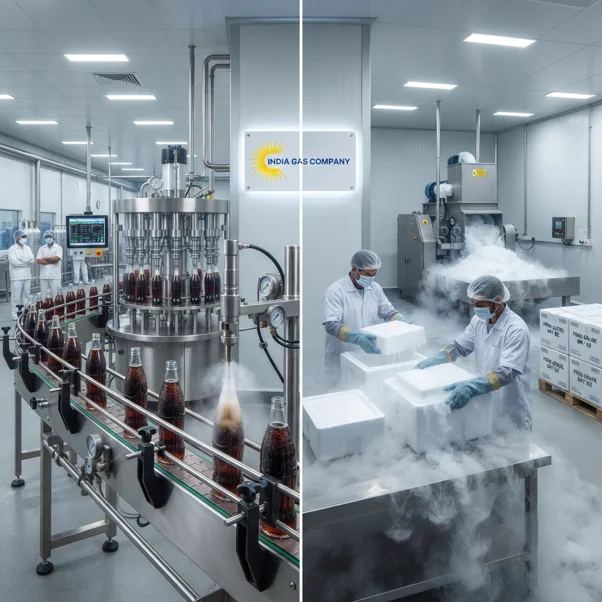
The gas produced by a CO2 generation plant serves a remarkably diverse set of industries. Some of the major applications include:
- Carbonated Beverages: CO₂ is essential for carbonating soft drinks, beer, and sparkling water, making beverage manufacturing one of the largest consumers of CO₂ globally.
- Food Processing and Preservation: CO₂ is used in modified atmosphere packaging (MAP) to extend the shelf life of packaged food products, and as a refrigerant in flash-freezing operations.
- Dry Ice Manufacturing: Solid CO₂, or dry ice, is produced from liquid CO₂ and used extensively in cold chain logistics, medical sample transport, and industrial cleaning applications.
- Fire Suppression Systems: CO₂-based fire extinguishing systems are widely used in data centers, electrical rooms, and industrial facilities due to their effectiveness on electrical fires.
- Welding and Metal Fabrication: CO₂ serves as a shielding gas in MIG welding, protecting the weld pool from atmospheric contamination.
- Pharmaceutical Industry: High-purity CO₂ produced through a cryogenic CO2 generation plant is used in supercritical fluid extraction processes and controlled-atmosphere applications.
- Water Treatment: CO₂ is used to re-mineralize and adjust the pH of treated water in municipal and industrial water treatment plants.
- Agriculture and Greenhouse Farming: CO₂ enrichment in greenhouses boosts plant growth and crop yields, making it a valuable input for controlled-environment agriculture.
- Oil and Gas Industry: CO₂ is used in enhanced oil recovery (EOR) processes to improve extraction efficiency from mature oil fields.
- Chemical Manufacturing: CO₂ serves as a raw material in the production of urea, methanol, and other industrial chemicals.
This wide range of applications is precisely why setting up a CO2 gas generation plant can be a strong business opportunity the demand for CO₂ spans nearly every major industrial sector, ensuring diverse off-take options for plant owners.
Key Equipment Used in a CO2 Generation Plant
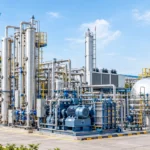
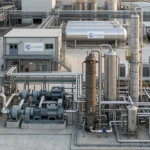
A complete CO2 generation plant typically comprises the following major equipment:
- Raw Gas Compressors: To compress incoming CO₂-rich gas for processing.
- Scrubbing System: For removal of sulfur compounds and other impurities.
- Dehydration/Drying Unit: To eliminate moisture content from the gas stream.
- Activated Carbon Purifier: For odor removal and food-grade purity refinement.
- Liquefaction Unit (Condenser): To convert purified gas into liquid CO₂ using refrigeration systems.
- Storage Tanks: Insulated, pressure-rated vessels for storing liquid CO₂.
- CO₂ Booster Pumps and Vaporizers: For loading tankers and filling cylinders.
- PLC/SCADA Control Panel: For automated monitoring and process control across the entire CO2 gas generation plant.
Each of these components must be engineered to work in harmony, and even small design flaws in one section can affect the overall efficiency and purity output of the plant. This is why partnering with an experienced manufacturer matters more than simply comparing equipment prices.
Why Choosing the Right CO2 Generation Plant Manufacturer Matters
Setting up a CO2 generation plant is a significant capital investment, and the manufacturer you choose can make the difference between a smoothly operating, profitable facility and one plagued with efficiency losses, frequent breakdowns, and purity issues. Here’s what to look for:
- Proven Track Record: A manufacturer with a long operating history and multiple successfully commissioned plants demonstrates reliability and technical expertise.
- Customized Engineering: Every raw gas source is different — a manufacturer should design your CO2 gas generation plant around your specific feedstock rather than offering a one-size-fits-all package.
- Turnkey Capabilities: From feasibility study and design to fabrication, installation, commissioning, and operator training, a turnkey approach reduces coordination headaches and project delays.
- After-Sales Service: Ongoing technical support, spare parts availability, and preventive maintenance guidance are essential for long-term plant reliability.
- Compliance and Safety Standards: The plant should be designed to meet relevant food safety (such as FSSAI or ISBT standards for beverage-grade CO₂), environmental, and industrial safety regulations.
This is where India Gas Company brings meaningful value to the table. With over 23 years of experience in designing and manufacturing gas plants and more than 100 successfully completed projects across India and international markets, India Gas Company has developed deep, practical expertise in engineering CO2 generation plants tailored to a wide range of raw material sources — from brewery and distillery fermentation gas to chemical process by-products.
What sets an experienced player like India Gas Company apart in the CO2 gas generation plant segment is the ability to handle the entire project lifecycle from initial feasibility assessment and capacity planning, through equipment fabrication, site installation, and commissioning, to operator training and long-term maintenance support.
For businesses evaluating manufacturers, this kind of end-to-end capability, backed by decades of hands-on plant-building experience, often proves far more valuable than a lower upfront quotation from a less-established supplier.
If you’re exploring the idea of setting up a CO2 generation plant, working with a manufacturer that already understands the nuances of different feedstocks, capacity planning, and regional compliance requirements can significantly reduce project risk and shorten your path to commercial operation.
Steps to Set Up a CO2 Generation Plant
If you’re planning to establish a CO2 generation plant, here is a general roadmap to guide your project:
- Feasibility Study: Assess your raw CO₂ source (fermentation gas, flue gas, or chemical by-product), expected volume, and target market demand.
- Capacity Planning: Based on the feasibility study, determine the ideal plant capacity, whether a small-scale unit or a large-scale CO2 production plant makes the most sense.
- Site Selection and Layout: Identify a suitable location with access to power, water, and transportation infrastructure, and plan the plant layout accordingly.
- Manufacturer Selection: Choose an experienced CO2 gas generation plant manufacturer who can provide engineering design, equipment supply, and installation support.
- Regulatory Approvals: Secure necessary environmental clearances, factory licenses, and food safety certifications (if targeting food/beverage-grade CO₂).
- Installation and Commissioning: Oversee equipment installation, piping, electrical work, and system commissioning with support from your manufacturer’s technical team.
- Operator Training: Ensure your plant operators are trained on safe operation, routine maintenance, and troubleshooting procedures.
- Trial Run and Quality Testing: Conduct trial production runs and test CO₂ purity levels against required industry standards before beginning commercial supply.
Each of these steps benefits from the guidance of a manufacturer who has already navigated this process across 100+ projects, helping you avoid common pitfalls and reduce project timelines.
Future Outlook for CO2 Generation Plants
As industries worldwide focus increasingly on carbon capture, emissions reduction, and circular economy practices, the role of the CO2 generation plant is evolving beyond simple gas production. Many businesses are now viewing CO₂ recovery as both an environmental responsibility and a commercial opportunity converting what was once a waste emission into a valuable, sellable product.
Additionally, growing demand from sectors like food packaging, dry ice logistics, greenhouse farming, and enhanced oil recovery is expected to keep driving investment in new CO2 gas generation plant projects across both domestic and export-oriented markets. Businesses that invest in modern, well-engineered CO2 generation plants today are well-positioned to benefit from this expanding demand curve in the years ahead.
Conclusion
A CO2 generation plant represents a valuable investment opportunity across a wide range of industries from breweries and distilleries looking to recover fermentation CO₂, to chemical manufacturers seeking to monetize process by-products, to entrepreneurs entering the industrial gas trading business.
Understanding the different types of CO2 recovery and production systems, evaluating the right capacity for your needs, and carefully assessing cost factors are all essential steps before making this investment.
Equally important is choosing a manufacturing partner with genuine technical expertise and a proven project delivery record. With 23 years of industry experience and over 100 completed projects, India Gas Company offers the kind of practical, end-to-end capability that can help ensure your CO2 generation plant project is engineered correctly, commissioned smoothly, and positioned for long-term reliable operation.
You May Like:
🔗 CO2 Recovery Plant: Process, Equipment, Cost & Applications
🔗 CNG Plant Setup: Types, Capacity, Cost & Applications

1 thought on “CO2 Generation Plant: Types, Capacity, Cost & Applications”